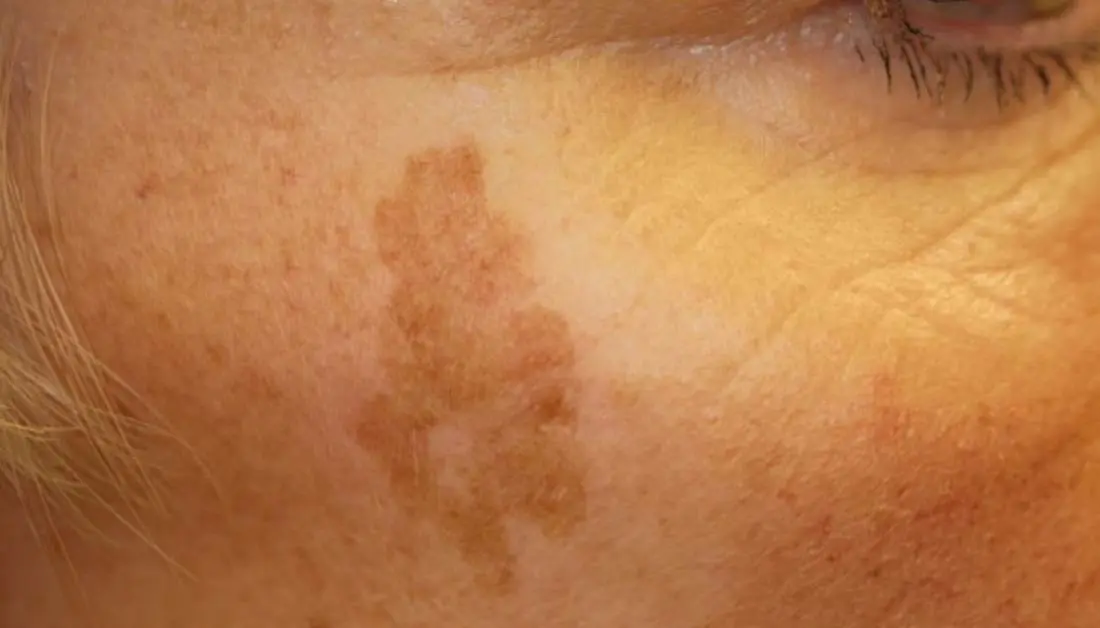
Seborrheic Keratoses Dermatology Call today for an assessment to evaluate your seborrheic keratosis. Free to everyone, these materials instruct young people concerning typical skin conditions, which can stop misconception and bullying. Therapy choices for seborrheic keratosis focus mostly on getting rid of the developments if they are creating discomfort or impacting one's appearance. Different techniques such as cryotherapy (freezing), curettage (scratching), electrocautery (burning), and laser therapy may be utilized to eliminate the developments safely and properly. It is essential to note that not all Cryosonic Cryopen therapy for benign moles instances of seborrheic keratosis sores require a biopsy. Our St. Louis skin specialists count on their professional uncertainty and competence to establish when this procedure is essential.
- SKs can form on both skin that gets sunlight direct exposure and skin that obtains little or no sunlight.Removal methods consist of cryotherapy, cut biopsy, curettage, and cautery.In any case, SKs often tend to have that stuck-on-the-skin look.Acne is a skin problem which has connected pores (blackheads and whiteheads), swollen acnes (pustules), and much deeper lumps (blemishes).Laser therapy utilizes focused beams to target and remove abnormal skin cells, while topical hydrogen peroxide can assist lighten the appearance of the growths.
What Creates Seborrheic Keratoses?
A long-term white spot is a possible adverse effects of this treatment. What frequently differentiates these growths from various other lesions is a waxy, pasted-on-the-skin look. A SK can appear like a dab of cozy, brownish candle wax on the skin.What takes place if seborrheic keratosis is left without treatment?
Seborrheic keratoses are safe and not infectious. They don't need therapy, however you might make a decision to have them eliminated if they end up being aggravated by garments or you don't like just how they look.
When To Speak With A Skin Specialist
Your dermatologist will examine the growth and may do a biopsy, which includes removing all or several of the development and sending it to a laboratory for analysis. While seborrheic keratosis growths don't usually require any therapy, you can decide to have them gotten rid of if you're troubled by them. A seborrheic keratosis can differ in size, too, from small to larger than three centimeters. While the diagnosis can commonly be made based upon aesthetic monitoring alone, there are circumstances where additional tests might be needed. To conclude, seborrheic keratosis is a common skin disease that can be managed efficiently with proper understanding and medical guidance. If you discover any type of uncommon developments on your skin, it is necessary to consult a skin specialist for an accurate diagnosis and ideal therapy options. By remaining positive and educated regarding your skin wellness, you can keep confidence and satisfaction. They are slightly extra usual among males than females. A special version of seborrheic keratoses happen in darker-skinned people, generally on the cheeks, near to the eyelids. These are normally darkly-pigmented and occasionally "tag-like" developments, called dermatosis papulosa nigrans. Seborrheic keratosis-- pronounced seb-o-REE-ik ker-uh-TOE-sis-- is a condition that takes place when skin cells begin clumping together, which leads to a development or a number of growths. These benign developments can be available in different dimensions, shapes, shades, and textures. They can be brownish or black and can look like ranges with waxy surfaces. There are times, however, when these lesions ought to be analyzed by a skin specialist. Occasionally a SK expands swiftly, transforms black, itches, or bleeds, making it tough to identify from skin cancer. Such a growth needs to be biopsied (removed and examined under a microscopic lense) to identify if it is cancerous or otherwise. Seborrheic Keratoses are extremely typical, benign growths of the skin. The primary clinical function of seborrheic keratoses is they look as though they are pasted onto the surface area of the skin. They are most typically located on the breast or back yet can basically be located anywhere on the body with the exception of the hands and soles. They are normally numerous tones of brownish but differ from light tan to black, and variety in dimension from 1-2 millimeters to a number of centimeters or bigger in size. Seborrheic keratoses often come to be inflamed, irritated and itchy.